
Childhood Eczema: My Experience as a Parent, What Helped Us, and What I Wish I Had Known
Watching your child suffer from eczema is something no parent is ever truly prepared for.
For us, it all started when my son was barely three years old. At first, it was just mild redness… then persistent patches, very dry skin, and intense itching—especially on his face. Very quickly, I realized that childhood eczema is not just a skin condition.
It became a daily battle.
For him—and for me, as a parent.
Medical Disclaimer
The information provided in this article is based on personal experience and is shared for informational purposes only. It does not constitute medical advice and should not replace consultation with a qualified healthcare professional. Childhood eczema is a multifactorial condition, and symptoms and treatment responses may vary from one child to another. Always consult a physician, pediatrician, or dermatologist before starting or modifying any treatment or skincare routine, especially when eczema affects the face or worsens.
Childhood Eczema: Understanding Before Taking Action
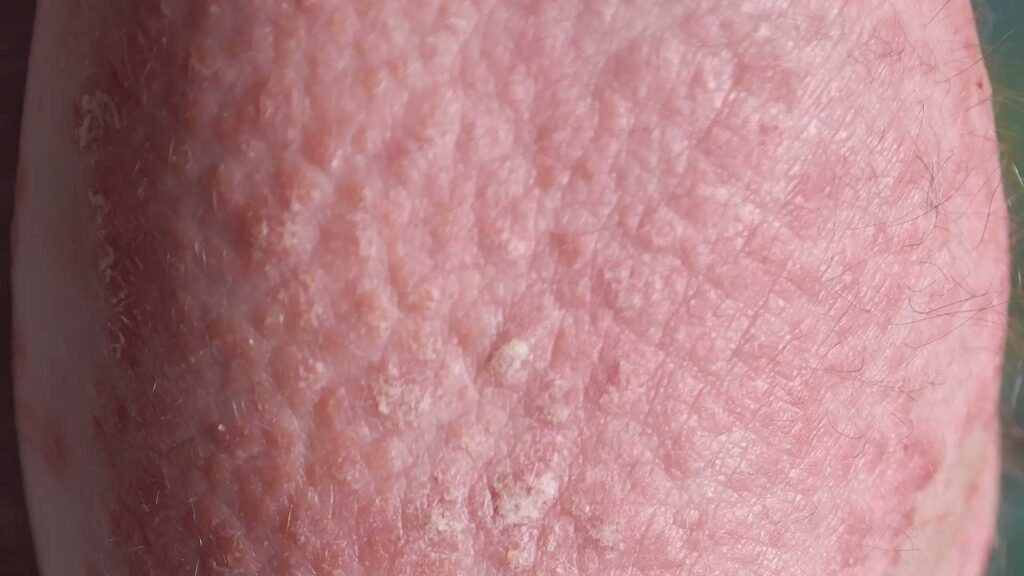
Eczema, also known as dermatitis, refers to several inflammatory skin conditions. In children, the most common form is atopic eczema. It is typically characterized by:
- Very dry skin
- Intense itching
- Red patches, sometimes cracked or inflamed
- Unpredictable flare-ups
One essential thing becomes clear very quickly: there is no definitive cure for eczema. However, with the right care and consistency, it is possible to manage symptoms and significantly improve a child’s comfort—just as it was in our case.
Eczema and Skin Tone: Important Differences
The appearance of eczema can vary greatly depending on skin tone. According to Dr. Marissa Joseph (FRCPC) on eczemahelp, skin conditions may present differently across ethnic groups, and skin type can influence clinical decisions and diagnosis.
This is an important reminder that eczema does not look the same on every child—and that awareness matters.
When Eczema Affects Your Child’s Face
In our case, eczema mainly affected my son’s face: his cheeks, around the mouth, and sometimes his eyelids.
That’s when everything becomes harder.
The face is what everyone sees.
But what others don’t see are:
- Nights interrupted by constant itching
- Tears when applying cream
- Small hands scratching without realizing it
- The exhaustion that builds up day after day
That’s when I truly understood that childhood eczema is also an emotional challenge for parents.
Parental Guilt and Mental Load
Even when doctors explain that eczema is multifactorial, guilt creeps in easily.
I often asked myself:
- Did I do something wrong?
- Is it the food?
- Is it the environment?
- Am I doing enough for my child?
On top of that, there are outside comments—sometimes awkward, sometimes hurtful. When eczema is visible on a child’s face, the emotional weight can feel even heavier.
Prescribed Medical Treatments We Used
During more severe flare-ups, we relied on:
- Topical corticosteroids, prescribed by our doctor, to calm inflammation
- Antihistamines, occasionally, to reduce nighttime itching
- Targeted treatments when there were signs of skin infection
Although these treatments can feel intimidating at first, when used correctly and under medical supervision, they helped us regain control during difficult periods.
Medical Treatments and Daily Care That Truly Helped Us
Over time, I learned that consistency matters more than chasing a miracle product.
A Strict Daily Skincare Routine
What made the biggest difference for my son:
- Lukewarm baths (never hot)
- Fragrance-free, ultra-gentle cleansers
- Immediate moisturizing after bathing
- Applying a rich emollient cream several times a day
This cream played a key role in protecting his skin and repairing the skin barrier.
As an Amazon Associate, I earn from qualifying purchases.
Some links on this page are affiliate links, meaning I may earn a commission if you purchase through them — at no extra cost to you. I only recommend products I genuinely believe in.


Vitamin C: A Complementary Support (With Caution)
Alongside conventional treatments, I explored ingredients that could help strengthen the skin. Vitamin C, known for its antioxidant and restorative properties, helped improve the appearance of the skin.
⚠️ Important note: On very sensitive or damaged skin, vitamin C is not suitable for all children. In our case, moderate and spaced use—always followed by a moisturizing cream—was beneficial. Every parent should proceed carefully and observe their child’s reaction closely.
The Role of Climate and Environment
Cold weather clearly worsened my son’s eczema. During winter, his skin became drier and more reactive.
Maintaining proper hydration, choosing soft and breathable fabrics, and avoiding irritating household products were essential steps for us.
What I’ve Learned as a Parent of a Child with Eczema
Looking back, here are some important lessons I’ve learned:
- Eczema does not follow a linear path
- Flare-ups are not failures
- Striving for perfection in skincare is exhausting and unnecessary
- Children are deeply affected by their parent’s stress
In winter, when it’s time for a bath, I always wait a few minutes afterward to avoid sudden temperature changes. Even during treatment, it’s important to be cautious to prevent illness. I prepare a cool compress for his face before applying treatment.
A child feels deeply comforted when held in your arms with a gentle compress—it soothes them far more than we sometimes realize.
My Message to Parents Going Through the Same Thing
If you are a parent of a child suffering from eczema—especially facial eczema—please remember this:
👉 You are not alone.
👉 You are already doing your best.
👉 Your child is not defined by their eczema.
Eczema can be long, unpredictable, and discouraging. With the right care and a lot of patience, it did ease for my son.
Your child may not remember the patches.
But they will remember your love, your gentleness, and your presence 💛
Q1 – What causes eczema in children?
A – Childhood eczema is caused by a combination of genetic, environmental, and immune factors. Triggers may include dry skin, allergens, climate changes, irritants, and stress.
Q2 – Is there a cure for childhood eczema?
A – There is no definitive cure for eczema, but symptoms can be managed with proper skincare routines, medical treatments, and trigger avoidance.
Q3 – Can eczema appear differently depending on skin tone?
A – Yes. Eczema may look different depending on skin tone, which is why proper diagnosis and individualized care are important.
Q4 – Is facial eczema in children dangerous?
A – Facial eczema is not dangerous but requires special care due to the sensitivity of facial skin. Medical advice is strongly recommended.
Q5 – Should I see a doctor for my child’s eczema?
A – Yes. A pediatrician or dermatologist should be consulted, especially if eczema is severe, persistent, or affects the face.